Yes in God’s
Backyard (YIGBY)
Yes in God’s Backyard (YIGBY) legislation, which would help create more of the homes we need on vacant land owned by faith-based organizations, is making its way through the Massachusetts state legislature as part of an economic development bill right now.
The House of Representatives passed YIGBY as part of the Economic Development Bill on July 8th. Now, the Senate is debating this bill. Please reach out to your Senator to let them know you support YIGBY as part of this legislation!
Learn more about the current bill, its impact on our state, and how you can help advocate for its passage alongside CHAPA, Jewish Alliance for Law and Social Action (JALSA), The Lynch Foundation, Pine Street Inn, Planning Office for Urban Affairs, and dozens of other supportive organizations!
Passing YIGBY means:
- Building the housing we need. Faith-based organizations deeply rooted in their communities could pursue housing development projects that reflect their communities’ specific needs. Up to 250,000 new homes could be created in Massachusetts with YIGBY if just a quarter of current vacant land is used.
- Building more affordable housing. Many faith-based organizations are seeking specifically to build all- or substantially-affordable housing developments. In Massachusetts, there’s a shortage of at least 194,189 homes that are available and affordable to low-income households. YIGBY would help shrink that gap.
- Generating local tax revenue. Allowing multi-family housing by right on parcels owned by faith-based organizations will help bring tax-exempt parcels onto municipal tax rolls, generating new local revenue that is not subject to Prop 2 ½ caps on municipal revenue growth.
- Allowing faith-based organizations to continue to serve their communities. Turning vacant faith-based land into housing can help generate new revenue for faith-based organizations, allowing them to achieve financial stability and continue to offer critical services to their communities.
Pairing Massachusetts’ surplus of vacant faith-based properties with the deficit of affordable housing is part of the shortage solution.
Faith-Based Developments House Thousands in Massachusetts Today
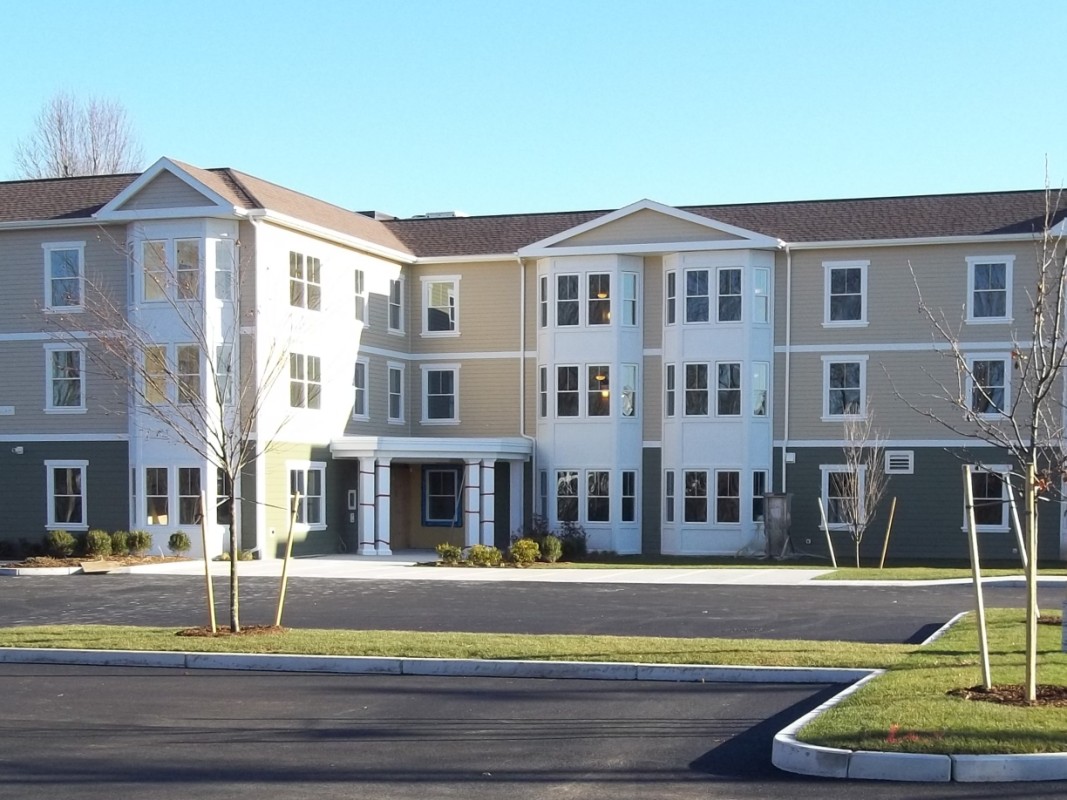
Rose Hill Manor, Billerica
St. Theresa of Lisieux Parish in Billerica wanted to find a way to use Parish land to provide high-quality affordable housing for local seniors. With the help of the Planning Office for Urban Affairs (POUA), a vacant parcel of land behind St. Theresa Church was developed into 41 affordable independent homes for seniors ages 62 and older. Twenty-eight of these homes have a preference for Billerica residents. The building is three stories, with elevators, and has a mansard roof and gabled end bay windows.
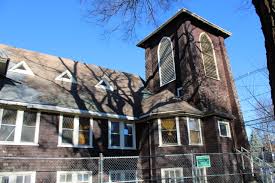
Hill Memorial Baptist Church, Boston
Hill Memorial Baptist Church was built in 1903 and served the people of Boston’s Allston neighborhood for decades. In 2023, after years of declining membership, the congregation’s members chose to sell the land and church structure, intending to carry on the good works of the past by working exclusively with the Allston Brighton Community Development Corporation (ABCDC) to create affordable housing. Now, ABCDC and Brighton Allston Elderly Housing are working to use the historic site as a home for 49 low-income seniors and repurposing the historic church structure into a community center to provide a space for local residents to gather.
YIGBY Would Unlock More Housing Opportunities
Background on YIGBY Legislation
Two Local Challenges…
Massachusetts’ housing shortage and high housing costs are holding us all back and disrupting our local communities. Massachusetts needs 222,000 new homes by 2035 to meet rising demand and stabilize our housing market. And, to ensure everyone can afford a roof over their heads, we must create more market-rate, affordable, and deeply affordable homes.
At the same time, municipalities across the state are facing increasingly difficult local budget challenges. With more tax revenue, rural towns, cities, and suburbs alike could retain their teachers, keep library hours that meet communities’ needs, maintain police and fire staffing, and fund road maintenance.
Faith-based organizations across Massachusetts could build thousands of affordable homes on their land, generating millions of dollars in local tax revenue. However, current restrictive zoning makes it difficult. According to a study by the Lincoln Institute of Land Policy’s Center for Geospatial Solutions and The Lynch Foundation, if faith-based organizations in Massachusetts efficiently developed a quarter of the vacant land they own for housing, that land could support over 250,000 new homes and generate more than $30 million in annual local tax revenue. Even if just a small percentage of this vacant land were developed, it could go a long way toward addressing our housing needs and generating local tax revenue.
…One Faith-Based Solution
An Act to promote Yes In God’s Back Yard (YIGBY) would streamline the creation of multi-family housing by faith-based organizations. The legislation would allow the creation of multi-family housing by right on parcels owned by faith-based organizations, providing them with the certainty needed to pursue the development of new homes. Developments would pay local property taxes unless the municipality chooses to grant an exemption.
Developments with 30+ homes would require 20% to be affordable to households earning at or below 80% of the Area Median Income, and developments with 50+ homes would require 25% to be affordable (or 20% affordable to those at or below 60% AMI). The legislation also establishes standard setback, height, and parking standards for covered developments to ensure that they can have reasonable density regardless of local restrictions, providing a simple, understandable set of rules for all faith-based organizations across the state to follow when they want to build housing on their properties.