
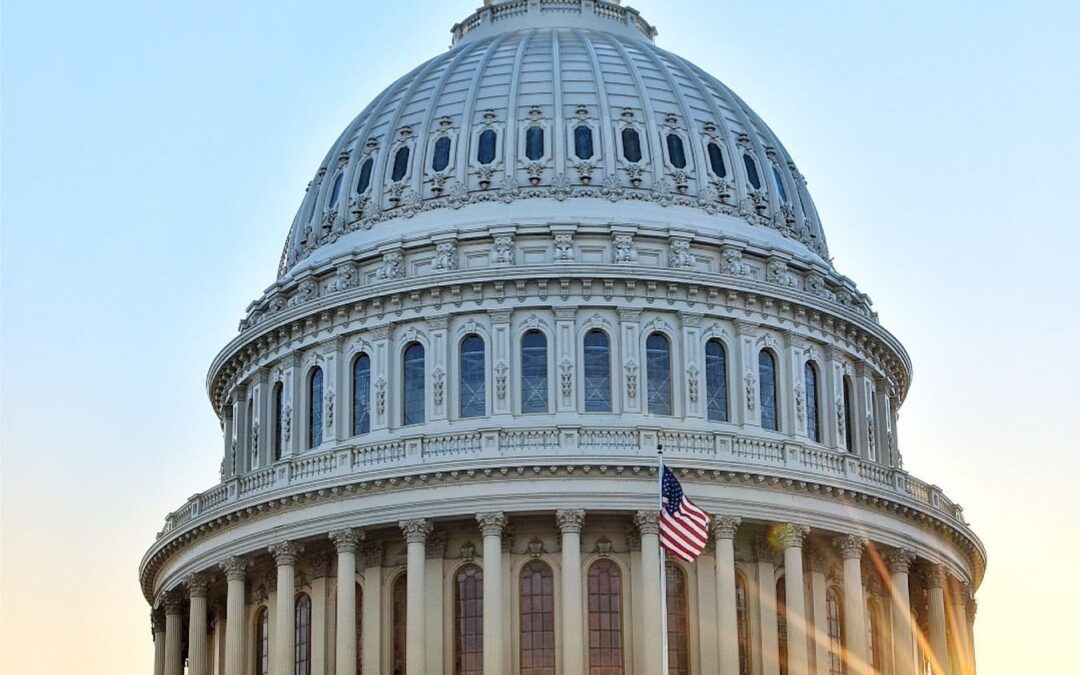
In a major legislative victory for housing affordability this week, Congress passed the 21st Century Road to Housing Act. The bill, which enjoyed strong bipartisan support, was a result of legislation crafted by both the U.S. House of Representatives and the Senate over the past year. On Monday night, the Senate passed the bill with a 85-5 vote, and the House followed suit the next day with a 358-32 margin.
The final bill includes a wide range of provisions, including:
- an increase in the Public Welfare Investment cap from 15% to 20%,
- a requirement for HUD to evaluate the impact of the Build America Buy America (BABA) program on affordable housing using HOME funds,
- streamlining of environmental reviews,
- increasing the cap on RAD conversions by 100,000 units, and
- reauthorization of the CDBG-DR program for three years.
It also maintained language preventing private equity investors from purchasing for-sale homes, but eliminated earlier problematic language that would have done the same for build-to-rent housing, which could have hindered rental housing production.
Massachusetts Senator Elizabeth Warren was instrumental in the passage of this legislation. As ranking member of the Senate Banking Committee, she worked extensively with Committee Chair Tim Scott of South Carolina in the initial draft of what was then the ROAD to Housing Act. That bill was passed unanimously out of committee last year, a rare occurrence in recent Congressional history. Her and her staff’s critical work helped get the bill across the Congressional finish line.
On the House side, Congresswoman Ayanna Pressley, a member of the House Financial Services Committee, successfully secured the inclusion of several initiatives in the final bill, including the $200 million Innovation Fund Act, the Appraisal Modernization Act, and the Renter Resource Center Act.
At the time of this post, there is unexpected uncertainty surrounding the future of the 21st Century ROAD to Housing Act. Despite the overwhelming bipartisan support in both branches of Congress, the President announced two hours before a scheduled ceremony that he would not sign the bill until Congress passed unrelated immigration legislation, which does not appear to have sufficient support in the Senate to clear that branch.
CHAPA strongly urges the President to reverse course and sign the legislation into law.